Las Vegas + Desert Southwest
The most versatile destination in North America
Overview
From the neon lights of Las Vegas to the vast silence of Death Valley and the towering cliffs of Zion and the Grand Canyon, this region rewards those who plan with the landscape in mind.
The Desert Southwest is one of the most versatile campervan destinations in North America, offering dramatic landscapes that range from low desert basins to high alpine plateaus — often within a single day’s drive. This variation makes it a true year-round destination, where the experience changes completely depending on when and where you travel.
The Best Time to Visit
You can visit the Desert Southwest at any time of year, but the key to getting the most out of your trip is understanding how elevation affects temperature and accessibility.
If you’re travelling in winter, the lower elevation desert regions come into their own. Places like Death Valley and southern Arizona offer warm, sunny days that are ideal for camping while much of the rest of the country is cold or snow-covered.
In summer, the opposite applies. Lower elevations can become extremely hot, so the best experiences are found higher up — in places like Bryce Canyon, the North Rim of the Grand Canyon, and even parts of Yosemite, where temperatures are far more comfortable.
Annual Pass
You can purchase one pass will get you into all the national parks plus the Federal Recreation areas.
You can see all passes here
Climate & Conditions
The climate across the Desert Southwest is typically dry, sunny, and warm. The “dry heat” you may have heard about is very real — while temperatures can climb high, the low humidity makes both heat and cold more manageable than expected.
What truly defines travel in this region, however, is elevation. Within a relatively short distance, you can experience vastly different conditions. As a general rule, for every 1,000 feet you gain in elevation, temperatures drop by around 7°F.
This means that while Las Vegas may be experiencing intense summer heat, the North Rim of the Grand Canyon can feel significantly cooler — and in winter, that same area may be inaccessible due to snow.
Seasonal Travel Advice
Each season opens up different parts of the region, and planning around this is the key to a great trip.
In summer, aim for higher elevations wherever possible. National parks like Bryce Canyon, the Grand Canyon (both rims), Yosemite, and Great Basin offer relief from the heat and are far more comfortable for hiking and exploring.
Autumn is one of the best times to travel. September still carries warmth at lower elevations, but by October conditions become far more balanced across the region. Mid-elevation parks such as Zion, Arches, Canyonlands, and Mesa Verde are particularly enjoyable at this time, offering warm days, cooler nights, and fewer crowds.
Winter shifts the focus entirely to the desert. Death Valley, Joshua Tree, the Mojave Preserve, and southern Arizona become ideal campervan destinations, often with mild temperatures and plenty of sunshine. Higher elevation areas may be closed or difficult to access, so route planning becomes important.
Spring offers a transition between seasons. Warmer desert areas are still very appealing, while mid-elevation destinations gradually become more accessible. By April, much of Utah and surrounding regions open up for more comfortable travel.
Where to Go
The region is packed with world-class destinations, each offering something slightly different depending on the time of year.
The Grand Canyon remains a must-see, with both the South Rim and North Rim offering dramatically different experiences. Zion is known for its towering canyon walls and accessible hikes, while Bryce Canyon stands out for its unique rock formations and cooler climate.
Further east, Arches and Canyonlands provide expansive desert landscapes and iconic rock formations, while Death Valley delivers a more extreme, otherworldly environment — best experienced in the cooler months.
National Parks Links
Nevada
California
Other National Sites
Hot tip: many of these locations are national park worthy, with great camping, minus the people!
- Mojave National Preserve - Southeastern California (camping mecca 50 miles from Las Vegas)
- Mojave National Preserve - Camping Guide (PDF)
- Lake Mead National Recreation Area
- Grand Canyon - Parashant National Monument (primitive camping only, campervans OK)
- Vermillion Cliffs National Monument
- Grand Staircase - Escalante National Monument
- Glen Canyon National Recreation Area
Other National Sites
More Resources
Excellent resource guide for public campgrounds in Nevada’s Great Basin and the Sierra Nevada of California
Campervan Travel Tips
Travelling this region by campervan gives you the flexibility to adapt to changing conditions, which is essential here.
Always plan your route with elevation in mind, and check weather conditions for higher areas, especially outside of summer. Some roads — particularly to places like the North Rim of the Grand Canyon — can close seasonally.
Fuel stops can be sparse in remote areas, so it’s worth keeping your tank topped up. In summer, managing heat is critical, while in cooler months, preparing for cold nights at elevation is equally important.
Planning Your Route
One of the simplest ways to improve your trip is to think about direction and timing.
If you’re travelling in autumn, start your loop in higher elevation areas first, then move lower as temperatures drop. In spring, do the reverse — begin in warmer desert regions and gradually move higher as conditions improve.
This approach allows you to stay in the best possible conditions throughout your trip, rather than fighting against the weather.
Our Fleet
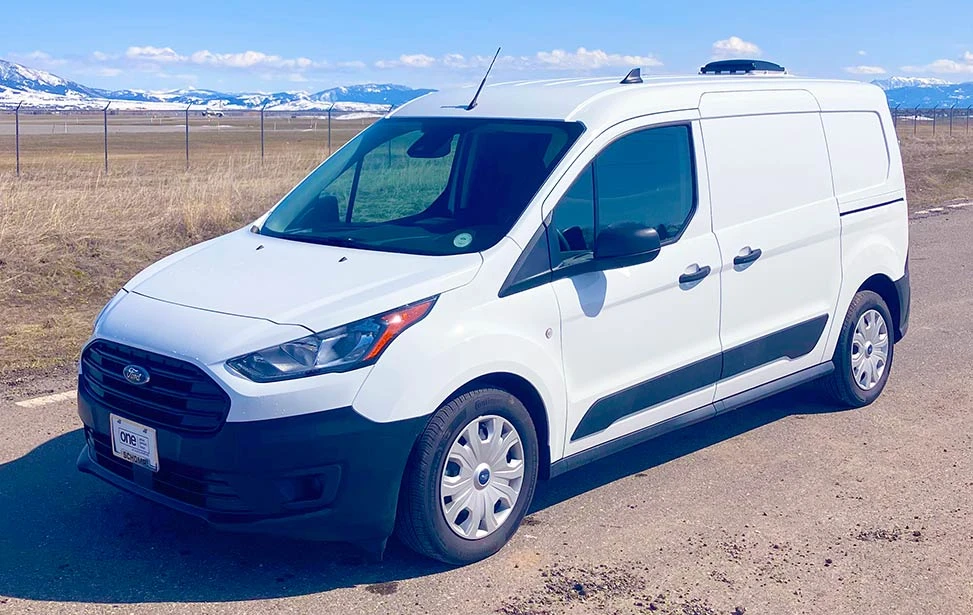
- Sleeps two adults
- 22 - 25 MPG
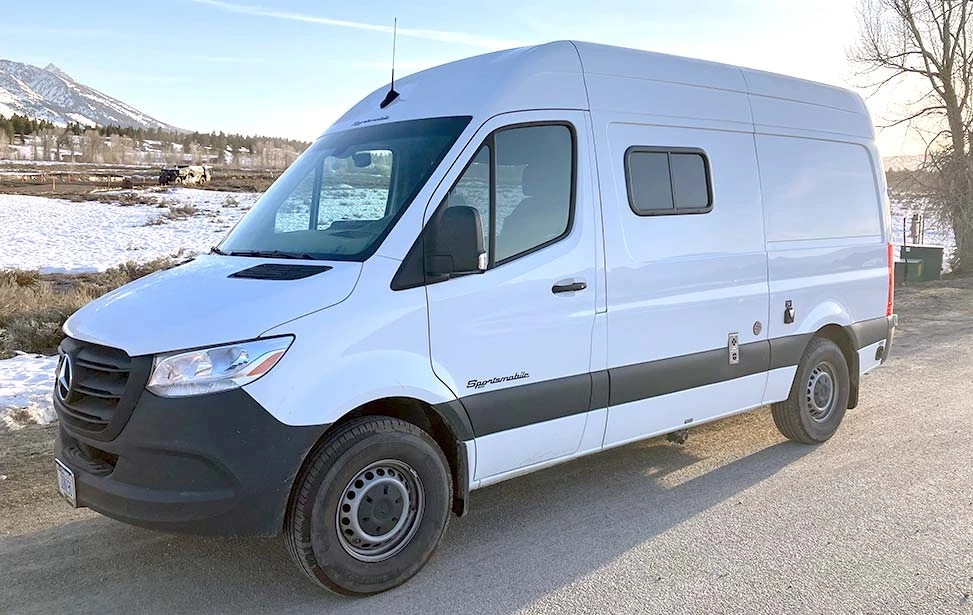
- Sleeps two adults
- 22 MPG
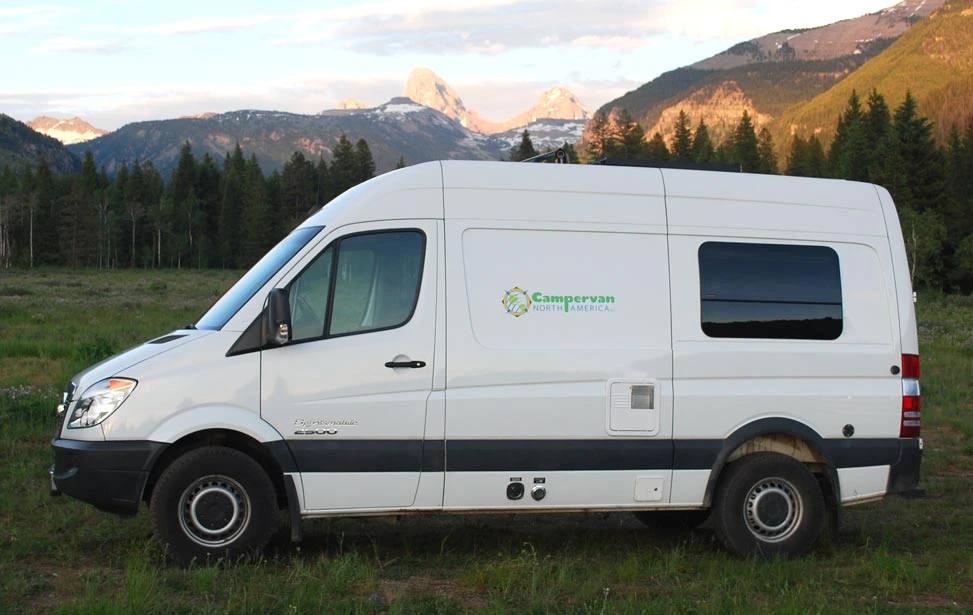
- Sleeps two adults
- 22 MPG
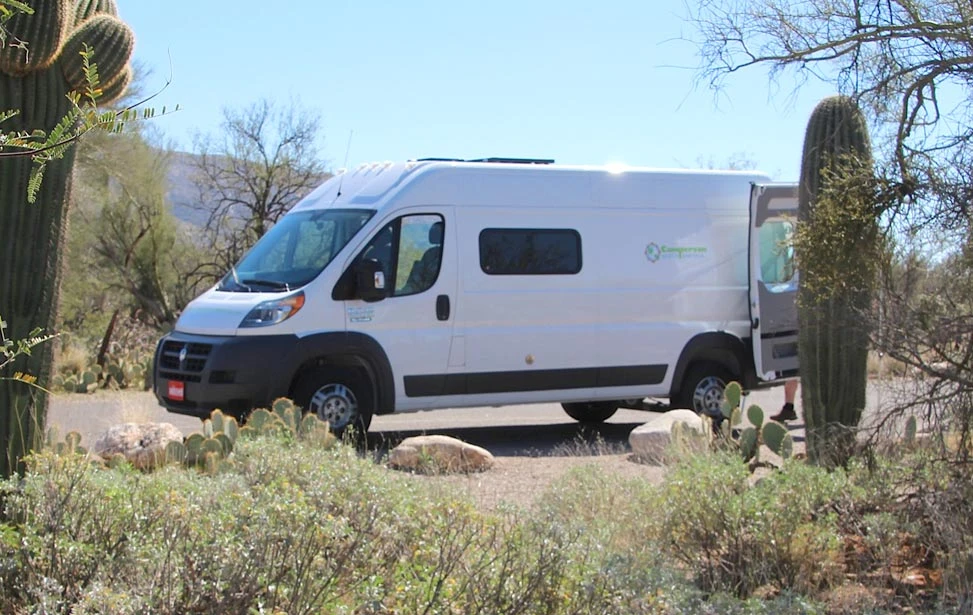
- Sleeps 4 adults
- 20 MPG